Qualities to Look for in a Secure Federal IT Partner for Secure Federal IT Solutions
- Erick James Fotsing
- May 13
- 4 min read
In today’s complex federal IT landscape, selecting a secure federal IT partner is a critical decision that directly impacts mission success, operational resilience, and compliance posture. As someone deeply involved in delivering secure federal IT solutions, I understand the importance of partnering with organizations that not only meet stringent security requirements but also demonstrate disciplined execution and a mission-focused mindset. This post outlines the essential qualities to evaluate when choosing a secure federal IT partner, ensuring your agency or organization can confidently modernize, secure, and sustain critical systems.
Understanding the Importance of Secure Federal IT Solutions
Federal agencies operate in environments where security breaches or compliance failures can have severe consequences. The need for secure federal IT solutions extends beyond technology—it encompasses governance, risk management, and continuous operational readiness. A secure federal IT partner must be capable of navigating complex regulatory frameworks such as NIST SP 800-53, FedRAMP, RMF, CJIS, and DoD Zero Trust Architecture.
Key considerations include:
Security-first engineering: The partner must embed security into every phase of system design, development, and deployment.
Compliance expertise: They should have proven experience aligning solutions with federal mandates and audit requirements.
Operational reliability: Solutions must be resilient, scalable, and maintainable in mission-critical environments.
By focusing on these areas, agencies can reduce risk, accelerate Authority to Operate (ATO) timelines, and maintain continuous compliance.

Core Qualities of a Secure Federal IT Partner
When evaluating potential partners, I prioritize several core qualities that reflect their ability to deliver secure federal IT solutions effectively:
1. Deep Federal Compliance Knowledge
A secure federal IT partner must demonstrate comprehensive knowledge of federal compliance frameworks. This includes:
NIST SP 800-53: Implementing security controls tailored to federal information systems.
Risk Management Framework (RMF): Supporting ATO processes with documentation and continuous monitoring.
FedRAMP: Delivering cloud solutions that meet rigorous federal cloud security standards.
CJIS: Ensuring law enforcement data is protected according to FBI requirements.
DoD Zero Trust Architecture: Applying Zero Trust principles to reduce attack surfaces and improve security posture.
This expertise ensures the partner can design and implement solutions that pass audits and inspections without costly remediation.
2. Security-First Engineering Mindset
Security cannot be an afterthought. The partner must integrate security into every layer of the technology stack, from infrastructure to application code. This includes:
DevSecOps practices: Automating security checks within CI/CD pipelines to catch vulnerabilities early.
Hardened system configurations: Applying DISA STIGs and other hardening standards.
Zero Trust implementation: Enforcing least privilege access and continuous verification.
A security-first mindset reduces operational risk and enhances the resilience of mission-critical systems.
3. Proven Cloud Engineering Capabilities
Modern federal IT solutions increasingly rely on cloud environments such as AWS GovCloud and Azure Government. A secure federal IT partner should have:
Experience with secure cloud architecture: Designing scalable, compliant cloud infrastructures.
Automation expertise: Using Infrastructure as Code (IaC) and compliance automation tools.
Hybrid and multi-cloud proficiency: Supporting complex environments that combine on-premises and cloud resources.
This capability enables agencies to modernize legacy systems securely and efficiently.
4. Operational Readiness and Mission Alignment
Beyond technical skills, the partner must understand the operational context of federal missions. This means:
Rapid integration: Ability to work within controlled and classified environments.
Audit-ready documentation: Providing evidence and reports that support compliance audits.
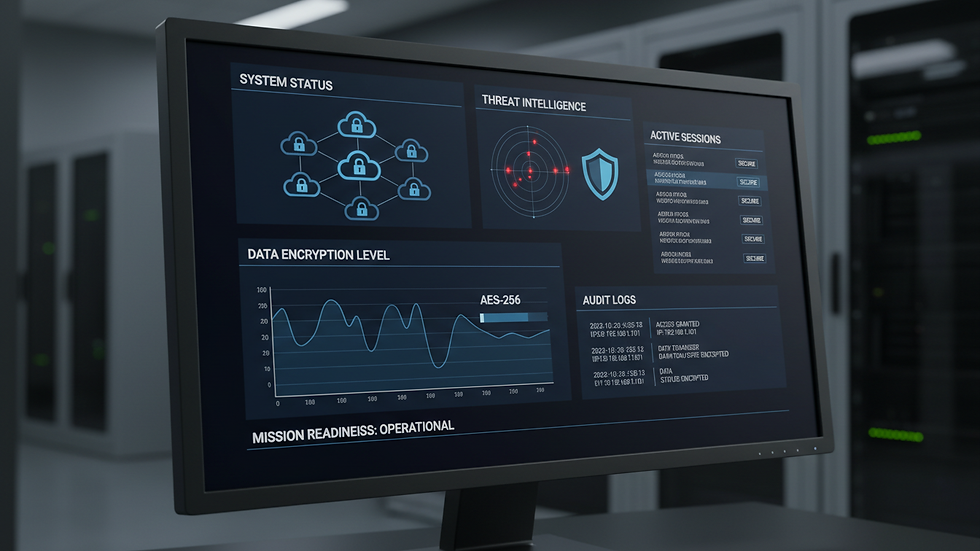
Continuous monitoring: Implementing tools and processes to detect and respond to threats in real time.
Operational readiness ensures that deployed solutions remain secure and functional throughout their lifecycle.
5. Risk Reduction Through Automation and Scalability
Automation is a force multiplier in federal IT security. A partner should leverage automation to:
Streamline compliance workflows: Reducing manual effort and human error.
Enable scalable security controls: Supporting growth without compromising security.
Accelerate deployment cycles: Delivering mission capabilities faster while maintaining quality.
This approach aligns with disciplined execution and supports continuous compliance.
Evaluating Technical and Cultural Fit
Selecting a secure federal IT partner is not solely about technical qualifications. Equally important is assessing cultural alignment and collaboration style. I recommend considering:
Transparency and communication: The partner should provide clear, timely updates and be responsive to concerns.
Mission focus: They must prioritize mission success over commercial interests.
Flexibility: Ability to adapt to evolving requirements and emerging threats.
Long-term partnership mindset: Commitment to supporting the agency beyond initial deployment.
These factors contribute to a productive, trust-based relationship essential for complex federal projects.
Practical Steps to Identify the Right Partner
To effectively find a secure federal IT partner, I suggest the following actionable steps:
Define clear requirements: Document security, compliance, and operational needs upfront.
Request detailed proposals: Evaluate how each candidate addresses federal frameworks and security controls.
Conduct technical assessments: Include penetration testing, architecture reviews, and compliance audits.
Check references: Speak with other federal clients to verify performance and reliability.
Pilot projects: Start with a limited scope to validate capabilities before full-scale engagement.
These steps help mitigate risk and ensure alignment with mission objectives.
You can also find a secure federal it partner with proven expertise and a security-first approach to support your agency’s modernization and cybersecurity initiatives.
Sustaining Security and Compliance Over Time
Security and compliance are ongoing commitments, not one-time achievements. A secure federal IT partner must provide:
Continuous monitoring and incident response: To detect and mitigate threats promptly.
Regular updates and patch management: Keeping systems hardened against vulnerabilities.
Compliance refreshes: Updating documentation and controls as regulations evolve.
Training and knowledge transfer: Empowering agency staff to maintain security posture.
Sustained collaboration ensures that federal IT environments remain resilient and mission-ready.
By focusing on these qualities and following a disciplined evaluation process, agencies can confidently select a secure federal IT partner capable of delivering mission-aligned, compliant, and resilient IT solutions. This approach reduces risk, accelerates modernization, and strengthens cyber resilience in an increasingly complex threat landscape.



Comments